

When I started planning this trip, the internet had two opinions and no middle ground.
One: “It’s insanely expensive, don’t even try.” Two: “You can do it cheap if you camp, cook every meal, and basically live like a backpacker.”
I wanted neither. I wanted a comfortable road trip. My own car. Private rooms. The occasional café stop. No instant noodles at 9 PM because it’s the only thing left in the bag.
So here’s the honest number, after 14 days on the road: about ₹2.6 lakhs per person.
Let me break down where that went, what was worth it, and where you can trim it if ₹2.6L feels like a lot. It is a lot. But stick with me.
If you want the full story behind these numbers, day by day, I’ve written that up here: 14 Day Road Trip Across New Zealand (From India)
The Biggest Expense: Flights from India to New Zealand
No matter how carefully you plan everything else, flights will still take the biggest bite out of your budget. Mine was no exception.
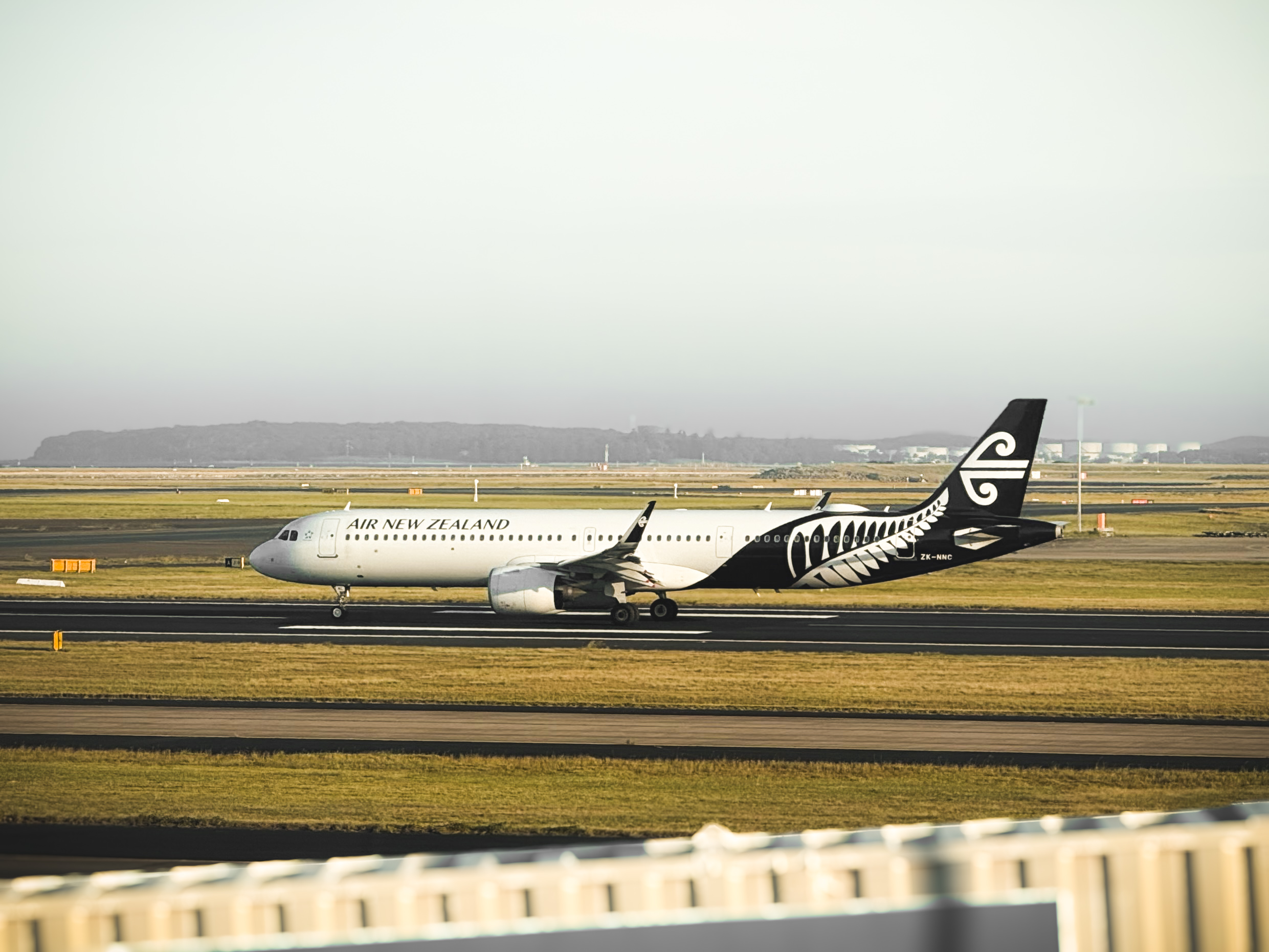
I flew Bangalore to Christchurch via Qantas, booked around November 2024. Round trip: roughly ₹77,286.
Here’s what I learned, mostly the hard way: timing matters more than anything else on this list. The same route in peak season was ₹25,000–₹40,000 more expensive. Booking early and skipping December–January made a real, measurable difference.
Track flights months in advance. It’s boring. It also saves you real money, which is a fair trade.
Why I Chose a Roundtrip Route (And How It Saved Me ₹30k–₹40k)
I seriously considered a one-way route. Fly into one city, out of another, skip the backtracking. Sounds smart on paper.
It wasn’t, for us.
Christchurch had the cheapest, most reliable flights from India. Roundtrip fares there beat any mixed-route combination I could find. That was reason one.
Reason two mattered more: car rental pricing in New Zealand punishes one-way drop-offs. Pick up in one city, drop off in another, and you’re paying a fee that in our case would’ve added ₹30,000 to ₹40,000 to the total.
That’s not “a little extra.” That’s a week of accommodation. That’s several days of food. That’s the difference between a fine trip and a good one.
Starting and ending in Christchurch meant some backtracking, and a few longer drives than strictly necessary. Financially, it was still the better call, by a wide margin. Quietly, but by a lot.
If you’re planning this yourself, run the comparison before you book anything: one-way flight plus one-way rental, against roundtrip flight plus roundtrip rental. The second option usually wins. Not always dramatically. Just consistently.
For the exact route we drove, stops included, this might help: South Island New Zealand Road Trip Route: Complete Driving Guide.
Visa and Insurance: Unavoidable, Not Exciting
Before any mountains or lakes, there’s paperwork.
The visitor visa, service charges included, cost around ₹22,600. Travel insurance added another ₹700, which felt almost too cheap to be real.
Not exciting. Not Instagrammable. But absolutely essential. Medical care in New Zealand isn’t cheap, and driving long distances uninsured is less “adventurous” and more “reckless optimism wearing a backpack.”
Why the Car Was Worth Every Rupee
The car wasn’t optional. It was the actual backbone of the trip.
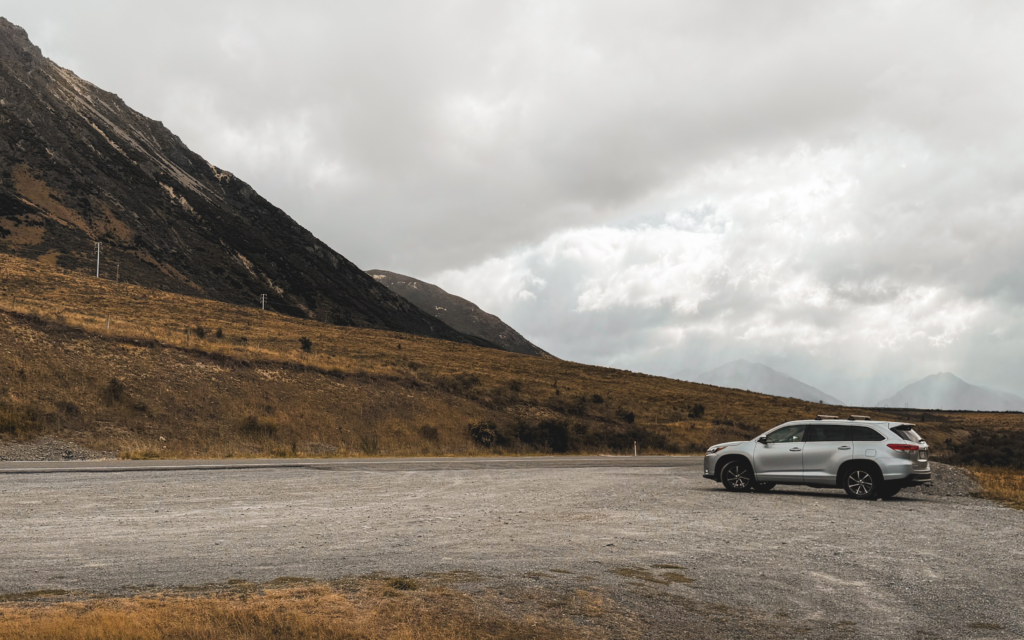
Fourteen days in a Toyota RAV4 (later upgraded to a Highlander, more on that below) from radcarhire.co.nz, came to ₹86,200 total, split four ways: about ₹21,500 per person. Not pocket change.
Availability issues bumped us up to a Highlander. More room, more comfort, considerably better on five- and six-hour drive days. No complaints there.
We also paid for full insurance coverage. It nudged the cost up, and I’d do it again without hesitating. Nothing dramatic has to go wrong for it to matter. A scratch in a parking lot. A loose stone on a mountain road. Someone leaning on a door a bit too hard. None of it is catastrophic. All of it is possible. Without full coverage, you’re gambling with a security deposit and an argument. With it, you just drive.
When I first saw the total rental price, I hesitated. Then I actually started driving.
Wide empty highways. Mountain passes with no traffic. Roads running beside water so blue it looks corrected. No bus schedules, no rushing to catch a connection, no rearranging your day around someone else’s timetable. Just the road, and however long you wanted to stay on it.
That’s when the number stopped feeling steep. In New Zealand, a car isn’t transport. It’s the thing that gives you the whole trip back.
Fuel added roughly ₹43,500 over two weeks, about ₹11,000 per person, for close to 2,500 km. Fuel prices are high there, so this wasn’t a surprise. Just a real cost, worth accounting for.
Compared to guided tours and fixed itineraries, renting turned out to be the better value by almost every measure. We stopped where we wanted, skipped what didn’t interest us, and never once checked someone else’s schedule.
Where I Slept: Comfortable, Not Fancy
No luxury resorts. No shared dorms either. Motels, small hotels, and Airbnbs, mostly the first.
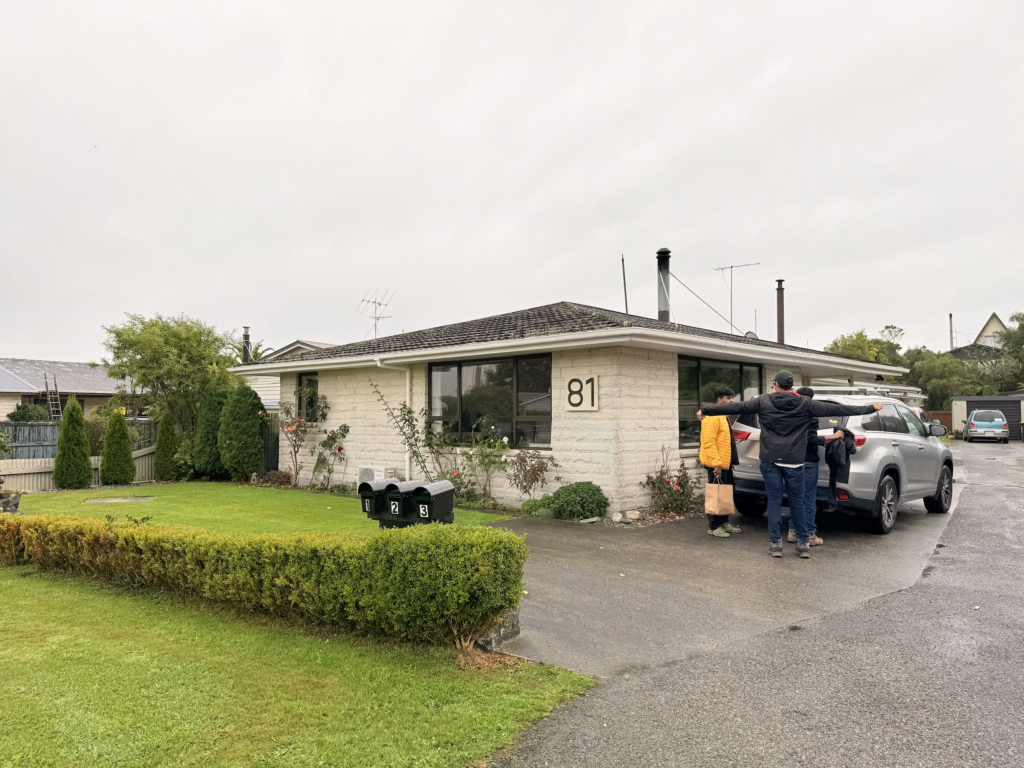
Fourteen days of stays came to about ₹49,500, roughly ₹3,500 a night per person.
New Zealand motels deserve a specific mention here. They’re spacious, well kept, and genuinely better suited to a road trip than a city hotel would be. Staying just outside the main towns saved money and, more often than not, wasn’t inconvenient at all.
Food: The Art of Not Going Broke While Eating Well
Eat out for every meal in New Zealand and your budget won’t crash all at once. It’ll just drain slowly until you notice, somewhere around the third overpriced coffee.
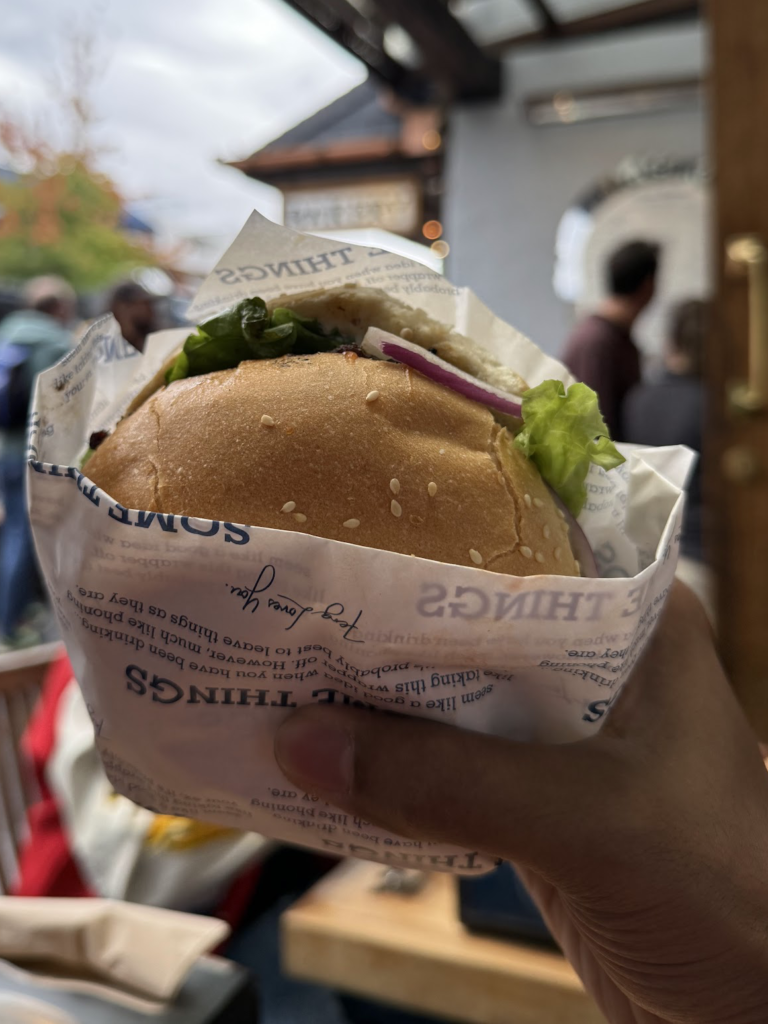
So we split the difference. Groceries covered most breakfasts, snacks, and a few dinners: about ₹9,000 over two weeks. Lunches, occasional dinners, cafés, and drinks came to roughly ₹29,500.
Total food spend: about ₹38,500.
Could I have spent less? Sure. Could I have spent more, easily, without trying? Also yes. This balance worked. I ate well, didn’t think twice about a coffee stop, and never had to choose between a meal and fuel.

Activities: Nature Is the Best Free Attraction
Here’s the thing nobody tells you clearly enough: most of what makes New Zealand worth visiting doesn’t cost anything.
Hikes. Lakes. Beaches. Sunsets. Free, all of it.
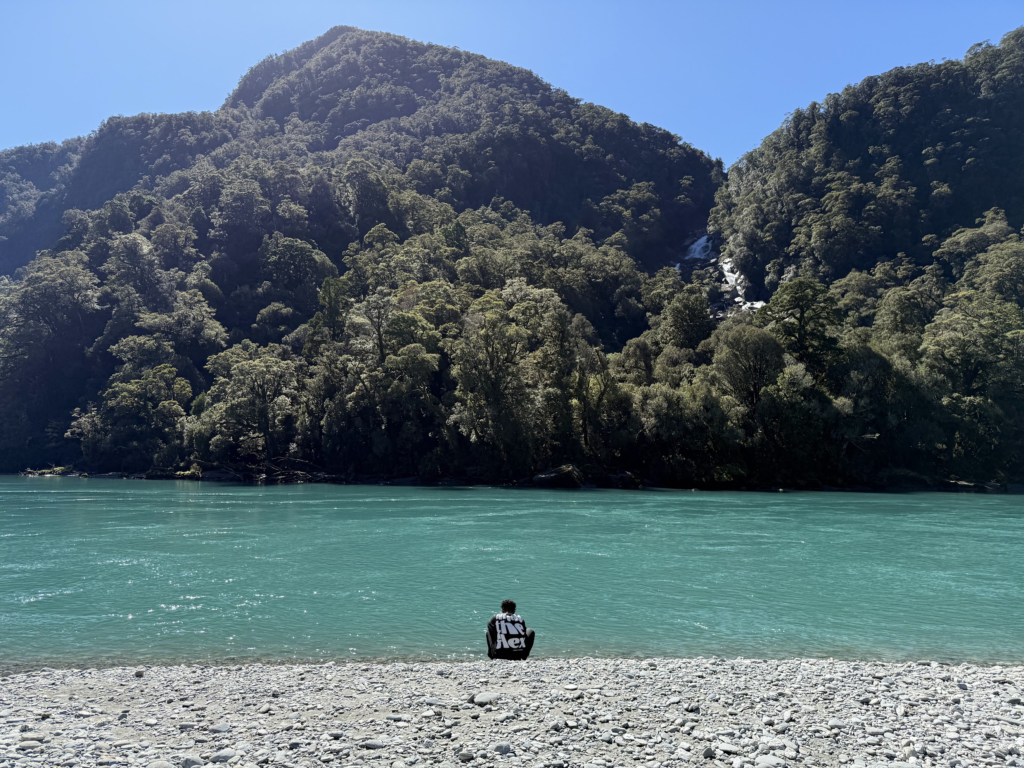
We did spend on a few paid experiences, wine tasting, a Milford Sound cruise, kayaking, a luge ride, penguin viewing, totaling about ₹16,000. Worth it, every one of them.
But if I’m honest about what I actually remember most: sitting by a silent lake. Walking an empty trail. Watching clouds move over a mountain we hadn’t planned to stop for. None of that cost a single rupee.
The Small Expenses That Add Up
SIM cards. Parking. Laundry. Coffee stops that don’t feel like they should count but do. Souvenirs you didn’t plan on buying.
Individually, none of it registers. Together: ₹24,000.
Keep a buffer for this category. You’ll use every rupee of it, usually without noticing when.
So Where Did Majority of It Go?
Three things: flights, car rental, and accommodation. Together, about 57% of the total.
Get those three right, and everything else is manageable. Get them wrong, and the rest of the budget doesn’t really matter anymore.
How You Can Do This Trip for Less
₹2.6L is a real number, and it’s not a small one. If it’s more than you want to spend, here’s what actually moves the needle:
- Travel in shoulder season.
- Share the trip with 2–3 people.
- Cook more meals, eat out less
- Choose simpler stays over city hotels
- Skip the overpriced tours, most of the good stuff is free anyway
Do this well, and ₹2L–₹2.2L is realistic without feeling like you’re missing anything.
Was It Worth It?
Completely, and not in the way that needs convincing.
New Zealand gave us quiet roads, clean cities, and more time to slow down than most trips allow. For 14 days of that, in one of the more beautiful countries either of us have driven through, ₹2.6L felt fair. Not cheap. Not wasteful. Fair.
Final Thoughts
This isn’t a budget trip, and I’d stop trying to make it one. It’s an investment in a specific kind of experience, and it delivers on that if you let it.
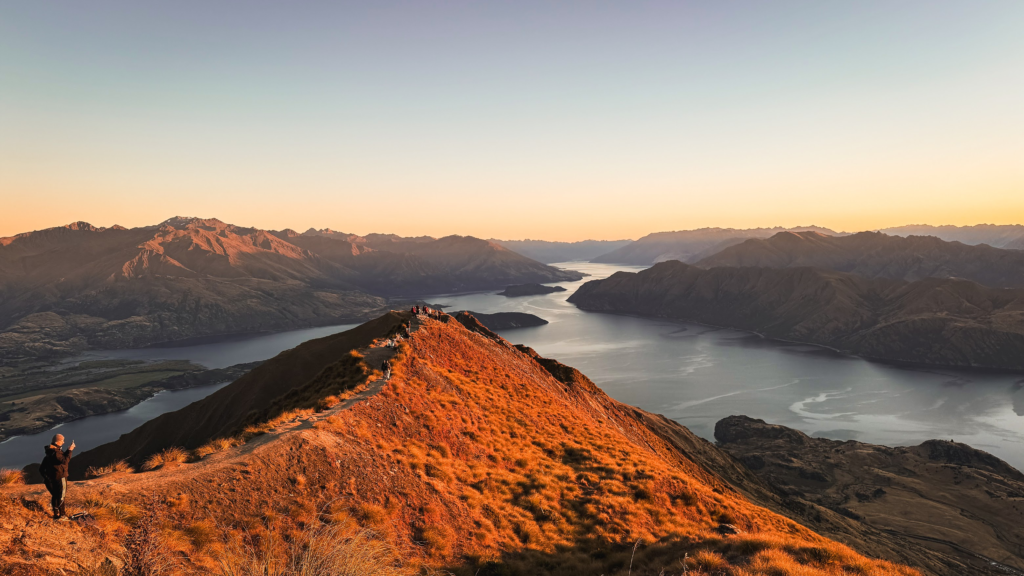
You won’t remember the exact rupee amount a year from now. You’ll remember the silence of a lake nobody else was at, the color of the water at Lake Tekapo, and what it felt like to have an entire road to yourself for a while.
That’s worth something no spreadsheet quite captures.
If you’re planning your own trip, these might help too:
- 14 Day Road Trip Across New Zealand (From India) – Full itinerary and planning
- South Island New Zealand Road Trip Route: Complete Driving Guide – Detailed driving route and stops